Three countries, three cultures, and unforgettable experiences in each!
What more could you wish for from an Erasmus+ project?
For three weeks, we traveled across Europe in the spirit of slow tourism and learned its principles in practice. Our destinations were Spain (Barcelona), Germany (Kiel), and Lithuania (Klaipėda). Each country and campus was unique in its own way, and so was the journey between them with our student group. From Barcelona to Kiel, we traveled by bus for 33 hours, and from Kiel, we continued by ferry to Klaipėda. Even the weather offered variety, as we moved from nearly 30-degree heat to just a couple of degrees above freezing.
In every country, we went on excursions to different sites, which we later analyzed in our studies from the perspective of slow tourism. In Barcelona, we visited a vineyard, learned about its history and practices, and tasted its products. In Kiel, we explored the Haithabu Viking Museum and discovered the region’s fascinating Viking history. In Lithuania, we traveled to stunning Nida and the Curonian Spit National Park, where the sand dunes and landscapes were breathtaking. We learned about the area’s history, how tourism has impacted it locally, and what measures have been taken to protect these fragile natural sites.
The trip opened my eyes in many ways. I saw firsthand how excessive tourism and tourists’ indifference can affect local communities and their daily lives. I also learned how important it is to highlight the values of slow tourism and how much deeper you can connect with culture, people, and authentic experiences when you dare to slow down. When you pause, talk to locals, and forget strict “checklists,” the journey becomes more meaningful and open to new perspectives.
The Erasmus+ project left behind much more than just memories: I gained new knowledge about tourism and its impacts, met new people and cultures, and found inspiration for future travel and my own career in the field.
Erasmus Experiences: What I Learned, What I Experienced, and Why I Recommend It to Others
The Erasmus+ learning journey sparked many thoughts among participants, but one theme appeared in everyone’s comments: this is an experience that opens your eyes, brings new people into your life, and teaches more than any ordinary school day.
“Erasmus+ projects are nice, you get to meet new people and learn at the same time. Need to find a good balance between social activities and school.” – a participant
“I learned how to communicate and collaborate effectively within an international team. I also realized how small design decisions can transform tourism into a more meaningful experience. Additionally, I learned that sharing culture can be mutually beneficial for everyone involved.” – another participant
Many said they were surprised by how natural it felt to learn together with people from different backgrounds. Working in an international group made teamwork meaningful and showed that collaboration truly crosses cultural boundaries.
Erasmus is also about learning about yourself—your strengths, limits, and how to grow in situations that aren’t always the most comfortable. Traveling slowly taught patience and offered opportunities to reflect on what really matters in travel.
Unforgettable Memories
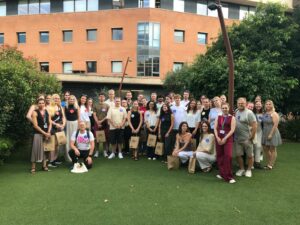
During the project, there was plenty of time to create memories both in class and during free time. Here are some favorite moments shared by students:
“Klaipėda when we visited the Curonian Spit.”
“Having the Finnish people take me as their friend and hanging out with them ❤️”
“Sharing moments with my teammates was one of the most meaningful parts of the tour. I especially appreciated the time outside the official activities, because the other students gave us an authentic glimpse into their cities and everyday lives. Those informal moments allowed us to build real connections and even form new friendships, which made the entire experience feel much more personal and memorable.”
“Probably the best memory was hanging out on the ferry with the whole group or Klaipėda as a whole.”
Small everyday moments, shared evenings, and local students showing us their favorite places created real connections with people and places.
Would I Recommend an Erasmus+ Project?
A well-organized Erasmus trip can be one of the most rewarding experiences in life, and students strongly recommended participating:
“When it’s organized well it can be such an amazing experience in many ways—self-growth and new friends guaranteed.”
“I would recommend going to an Erasmus+ project and traveling slowly because it’s fun and you get to explore less touristy places and talk to locals.”
“Yes, I would absolutely recommend participating in an Erasmus+ project. It offers a unique chance to work with people from different cultures, gain new perspectives, and grow both personally and professionally. The combination of international teamwork, cultural exchange, and hands-on learning creates an experience you simply can’t get in a regular classroom.”
Slow travel was also recommended as a travel style beyond the project:
“Slow traveling fits perfectly into this kind of project. It allows you to experience a place more deeply, notice details you would normally rush past, and connect with people and local culture in a more genuine way. It also reduces environmental impact and makes the journey itself part of the learning experience.”
“I would recommend slow travel—yes, take some days slower and enjoy your stay.”
“I definitely recommend slow travel to everyone in their own way, because it helps you live more in the moment and you can even work at the same time.”
Why Choose Erasmus?
- You make friends from different countries
- You learn about yourself and others
- You experience cultures authentically
- You develop teamwork, communication, and problem-solving skills
- You learn to travel sustainably and meaningfully
Erasmus is not just a trip—it’s an experience that stays with you long after you return home.
By: Pihla from Finland