Learning tour · A student perspective
From the classroom to the road: what I learned about slow tourism
Starting on September 13th, different university teams (students and teachers) got together in Vantaa, Finland for the start of the slow tourism learning tour experience which was going to last 2 weeks.
These diverse teams were from: Finland, Estonia, Germany, Spain, Lithuania and Slovenia. Something that made this experience really interesting was the opportunity we had to meet other students and people from such culturally diverse countries.
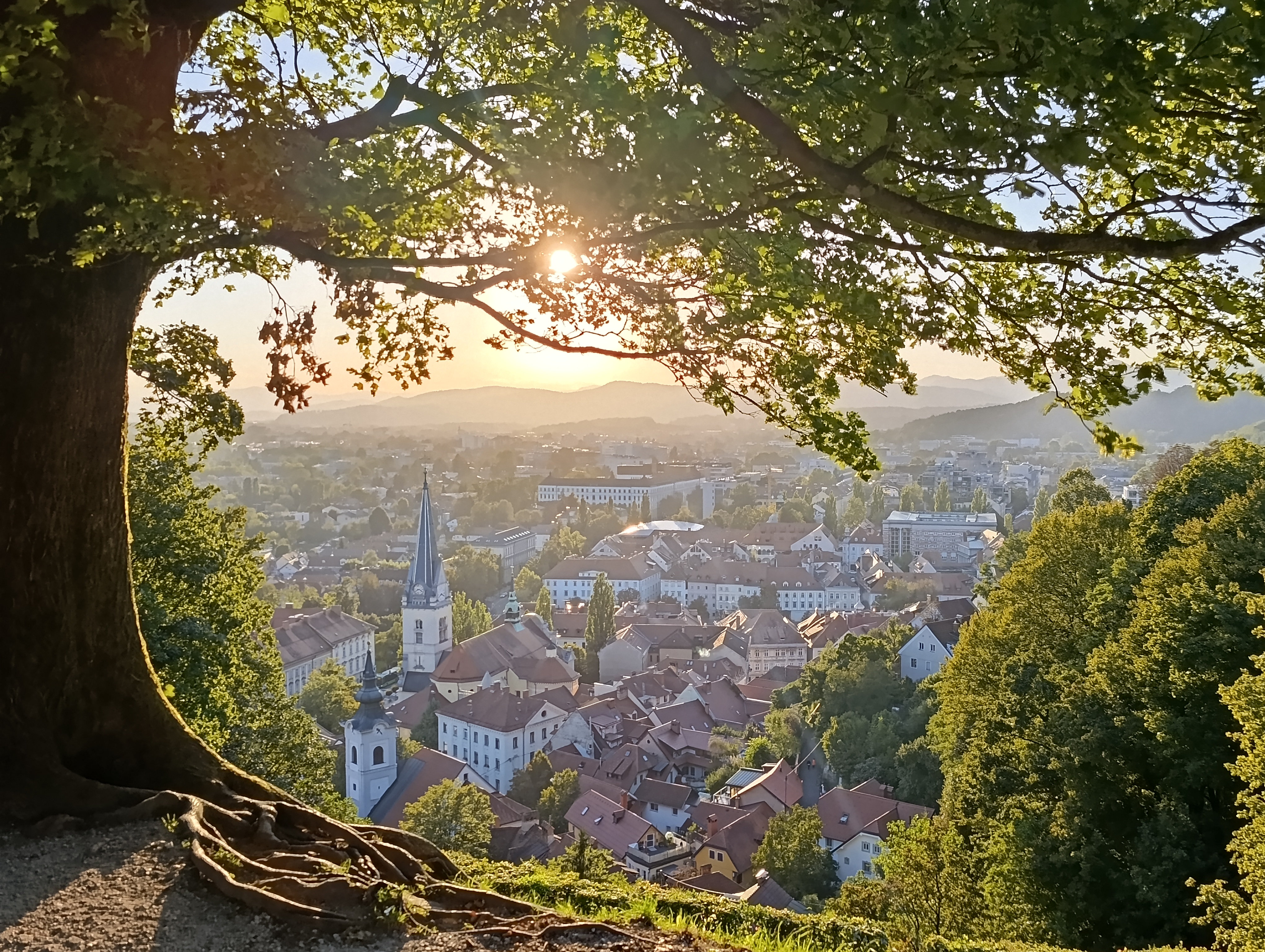
Beyond the classroom
Some of the students already had prior knowledge of what the concept of slow tourism means: traveling sustainably, slower, engaging with locals, etc. I personally think that experiences ‘outside the classroom’ offer another interesting and more personal way of learning. With this experience, we were able to go from knowing the theory and concepts about slow tourism to actually learning more about it in practice and first-hand experience.
The journey is part of the experience
The first example can be related to the journeys between the different destinations that we visited. Many times, when people travel, the first main objective they want to accomplish is arriving to the destination, usually as fast as possible.
What people don’t think about is that the traveling experience doesn’t have to start once you reach the destination, it can start with the journey to get there itself.
On this slow tourism tour, we were able to travel in person in slower pace types of transportation. From Vantaa to Tallinn we took a ferry, which not only is more sustainable than airplanes, but it also allowed us to have more time to interact with locals, listen to local bands, and get to see how many people travel between destinations.
On the trip we also rode on a bus from Tallinn to Vienna, stopping along the way in Riga and Warsaw. We could imagine and had talked in class about how traveling by bus across Europe can also be a part of the experience, but I don’t think we really knew what it meant exactly until we did it.
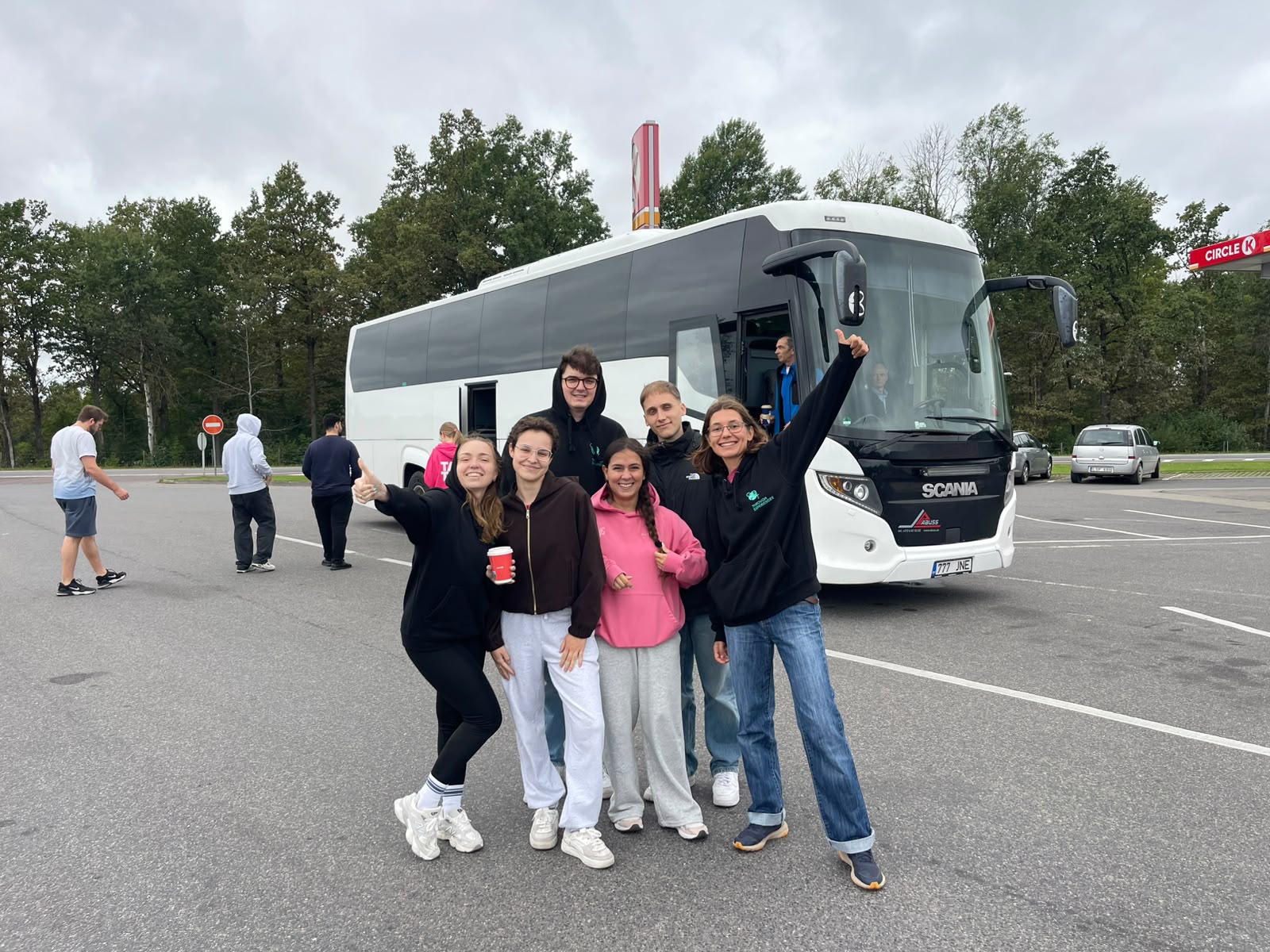
Traveling by bus so many hours allowed us to enjoy the countryside, relax, travel sustainably, talk with other international students, etc. We had the opportunity to stop in a beautiful forest where we were able to enjoy nature and be somewhere that wasn’t ‘urban’ for a while.
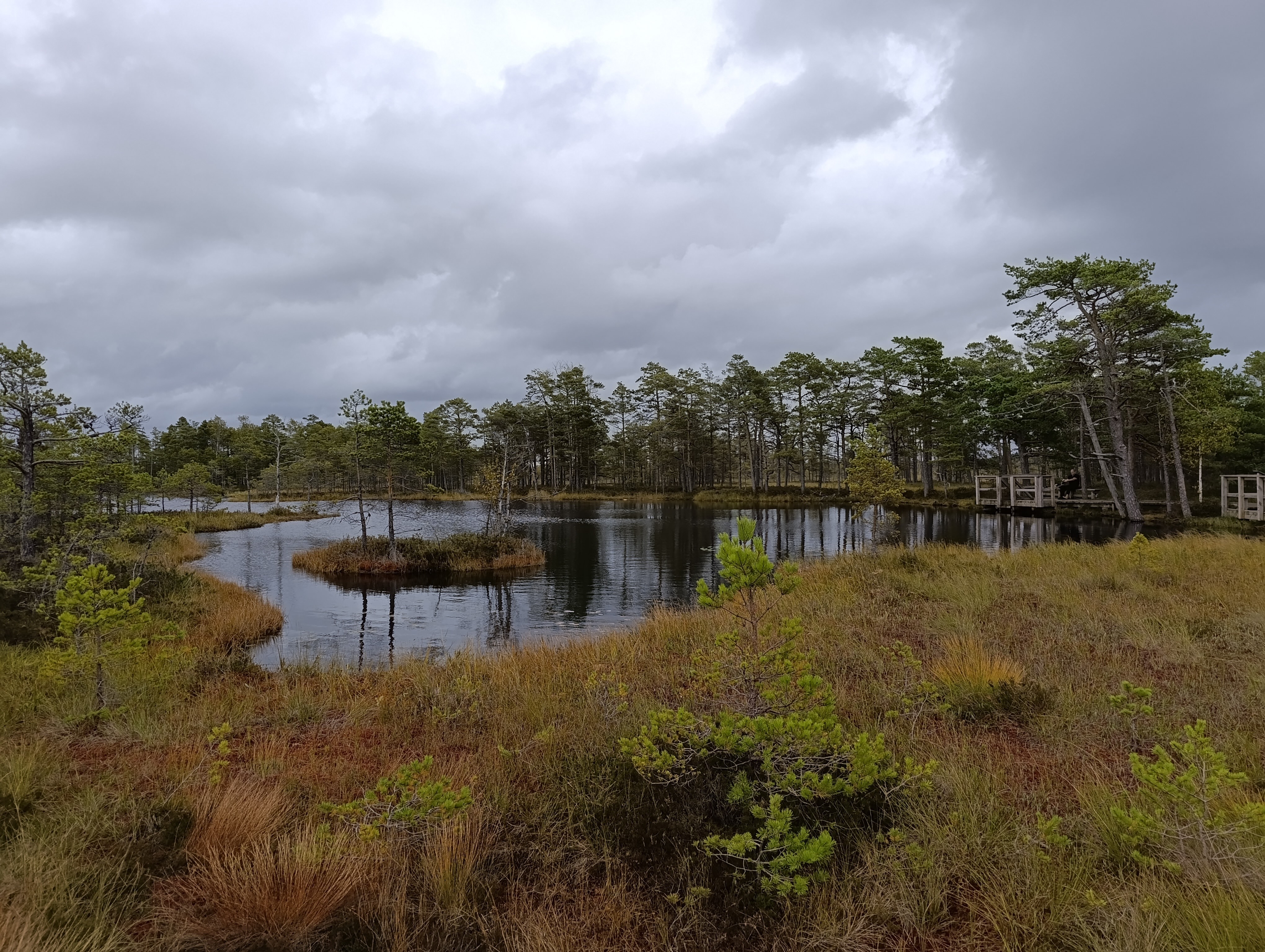
The time on the train to Ljubljana also gave us time to work together in groups and connect among us in more depth. All of these traveling experiences mentioned are concepts you gain when you actually experience them.
When I think about the trip, some of the most fun memories that come to my mind are actually when we were either in the bus, ferry or train. These are moments and experiences that can also become part of our traveling memories.
Connecting with local life
Another aspect is that in class we learned about ‘engaging with the local culture’, but we didn’t really stop to think or know what it actually meant until we lived it. One of the best opportunities during the trip was to meet people who work in local businesses related to tourism. Each students’ group got to visit a business location, talk to someone who works there and see the way they want their companies to interact with people within the tourism industry; always taking into account the destination’s needs. We got to work with businesses that aren’t really promoted for tourism, to find ways to attract this target, and also find ways for the tourists to interact more with locals, and understand the way they live.
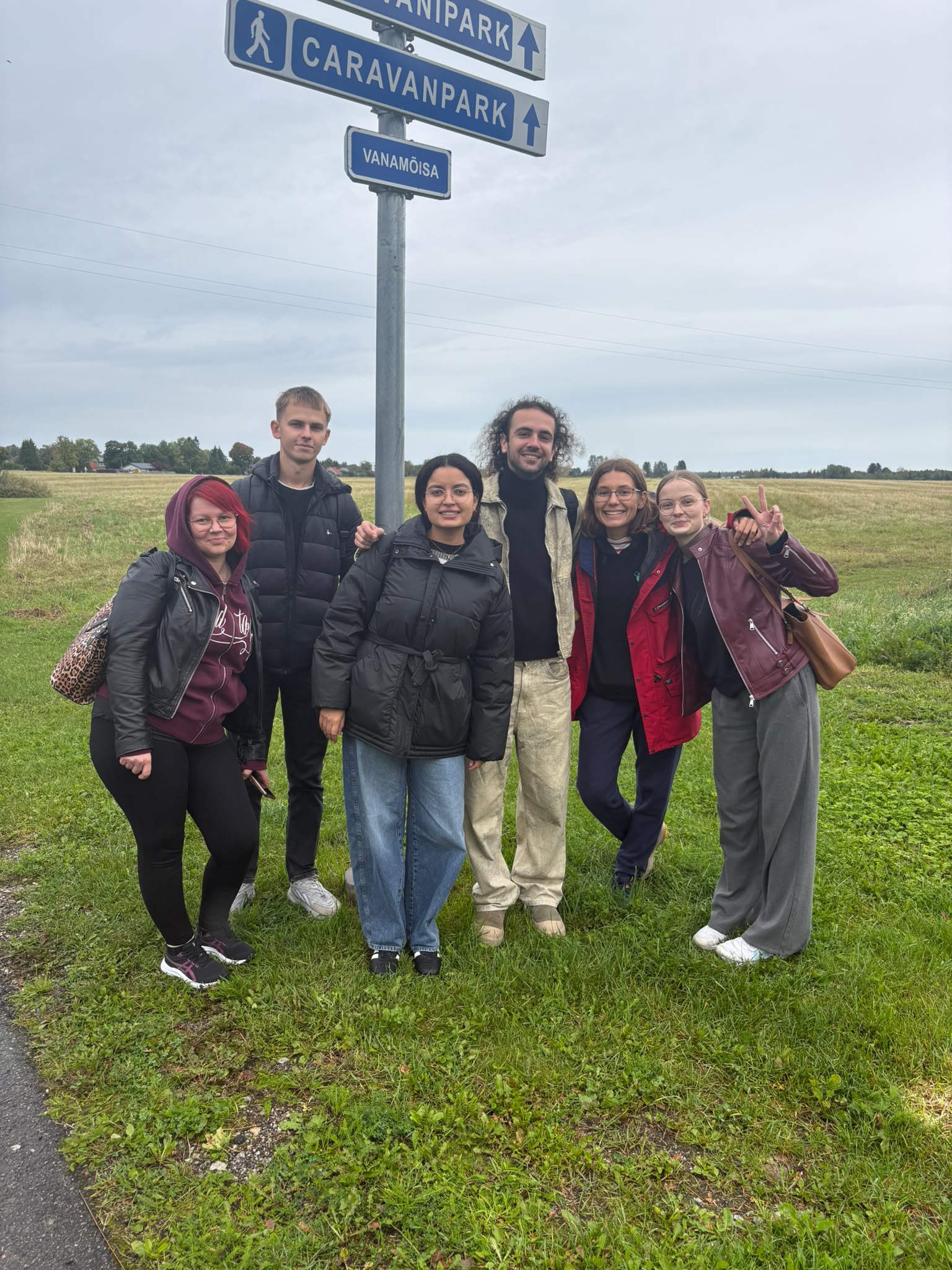
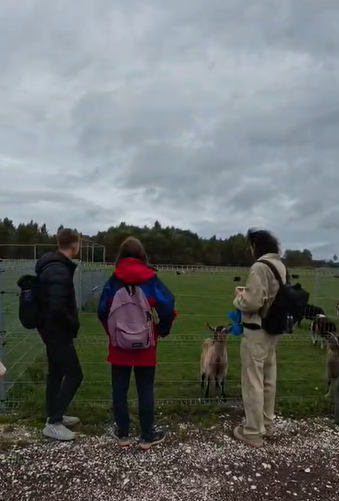
An example can be the Vanamõisa Open Air Centre that we visited outside of Tallinn, in the countryside. We had to find ways for this center to allow the visitors to connect with the locals who live in that area, and this was done by having the locals be the ones preparing and carrying out the activities there; sharing in person their way of life.
Another example can be how a group in Vantaa had to find a way to promote the grocery stores as a unique experience to visitors. As a tourist, by going to a supermarket, they can learn much more about the culinary culture of the destination, and it’s a way to have an interesting tourism experience without having to go to more promoted places for tourists. More promoted places, like monuments for example, don’t allow a visitor to interact with the local culture the same way. One can see that tourism spot and learn about the history of it (mostly about the past). But these other ‘more local’ experiences allow visitors to learn about the culture that takes place now.
Turning experience into ideas
Also, with the information we gathered of the specific companies, and after seeing what the tourism situation and different stakeholders’ needs were, we were able to think of ideas or solutions that could be implemented by the companies. This is something that we couldn’t have done only from class. This way we were able to create new ideas related to slow travel for real companies.
More time, a deeper connection
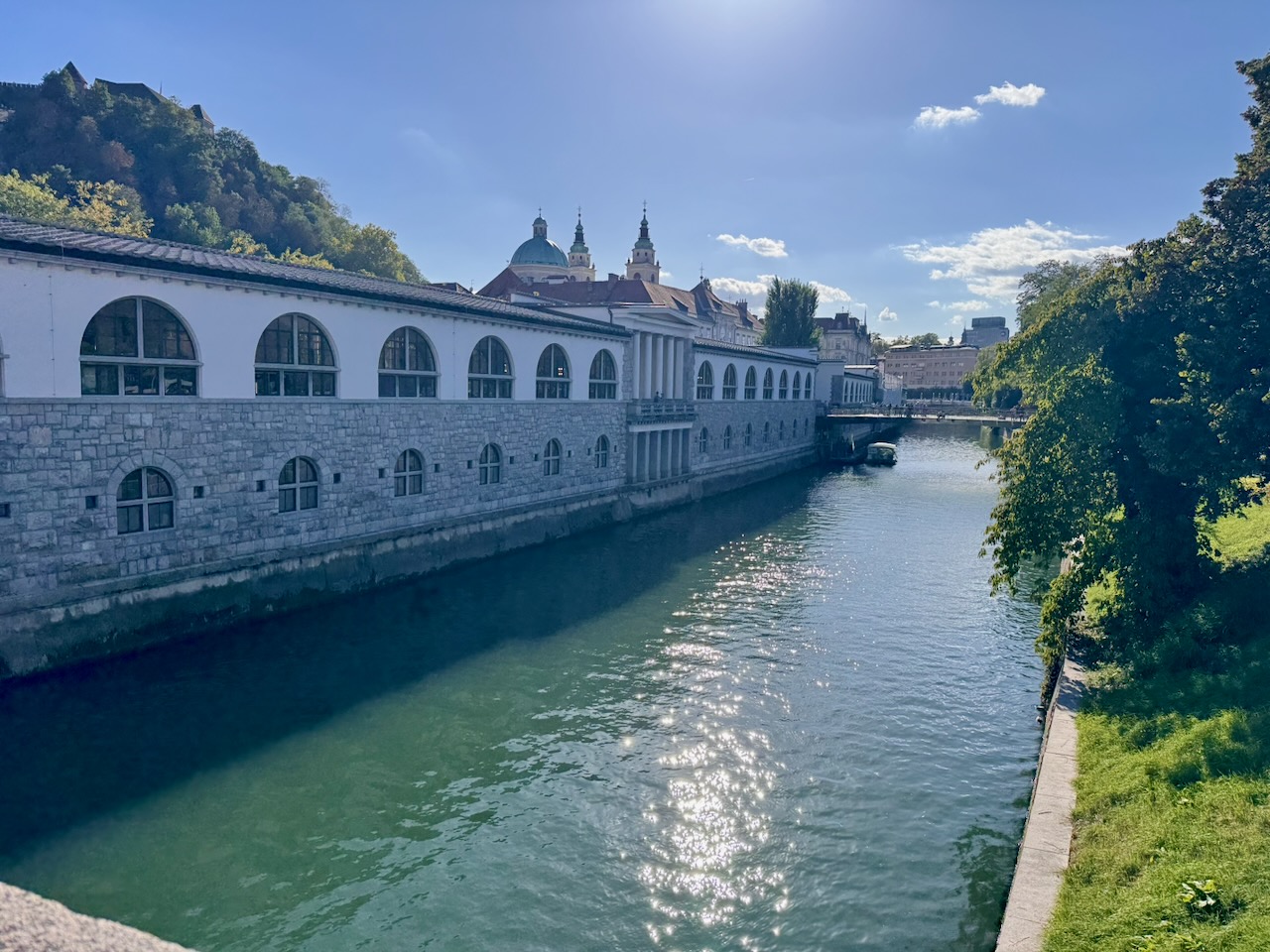
In some of the destinations we were able to see the benefits of focusing on quality over quantity when traveling. In Ljubljana, for example, the tour guide took us to the more famous tourist spots but then the last part of the tour was going to neighborhoods outside the main known center, where locals live. We specifically saw a neighborhood where locals spend their time outside, there are local live music places, etc. A regular tourist would probably have gone to the main famous sites and then have gone to another destination near it, to see more famous attractions. In our case, we had more time to explore the destination, so we got to see more about the locals’ way of life.
This was definitely a wonderful experience, that allowed us to learn more about this emerging type of tourism, live it, meet lots of people from different cultural backgrounds, learn from professionals of the field and teachers, propose how to implement solutions and visit many new destinations. Most importantly, this trip has allowed us to grow both personally and professionally.